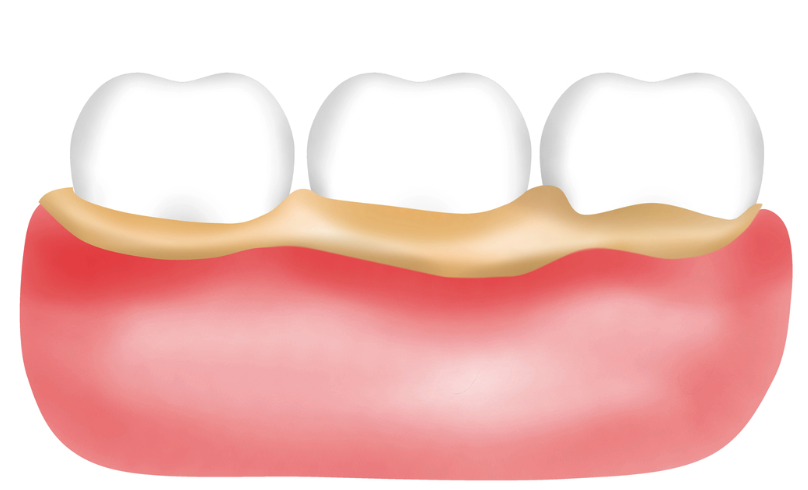
How does plaque form, and why is it such a big deal? Your dentist in Fairfield, CT, says that knowing how plaque forms can help you protect your teeth and gums.
Plaque is the main cause of cavities and gum disease. The good news is that you can control it with simple habits like daily oral hygiene and twice-yearly visits with Gary Horblitt, D.D.S. Need to schedule your next exam and cleaning? Call (203) 335-1011 to book a dental appointment in Fairfield, CT, now!
What Is Plaque?
So, how does plaque form? First, let’s define plaque. Plaque is a gunky film that builds up on your teeth. It contains:
- Bacteria
- Food particles
- Saliva
Plaque forms daily, even if your teeth feel clean. Luckily, regular brushing and flossing can easily remove it. However, if you do not remove it daily, plaque can harden, making it nearly impossible to remove without professional help.
How Does Plaque Form?
So, how does plaque form step by step? Let’s break it down.
Step 1: Bacteria in the Mouth
Your mouth naturally has bacteria. These bacteria are not always harmful, but they can cause problems when they become imbalanced.
Step 2: Food and Sugars
When you eat, tiny food particles stay on your teeth. These particles often contain sugars and starches, which feed bacteria.
Step 3: Acid Production
Bacteria break down sugars and create acids. These acids can weaken tooth enamel.
Step 4: Plaque Buildup
The bacteria, acids, and food mix together to form plaque. This sticky layer adheres to teeth and gums, which can create irritation, inflammation, and even infections.
Plaque – A Daily Struggle
Plaque can start forming within minutes or hours after brushing. Research shows that plaque noticeably accumulates as early as four to 12 hours after cleaning. This means plaque forms quickly and needs daily removal.
But how does plaque form so quickly? The answer lies in your oral microbiome. The bacteria in your mouth never take a vacation. They are constantly eating and producing waste, which contributes to plaque formation.
Why Plaque Is Harmful
Now that you know the answer to “How does plaque form?” let’s look at why it matters. Plaque can:
- Cause cavities
- Lead to gum disease and tooth loss
- Harden into tartar if not removed
Signs You Have Plaque Buildup
Plaque is not always easy to see, but there are signs. Watch for:
- Fuzzy feeling on teeth
- Bad breath
- Yellow buildup near gums
- Red or swollen gums
If you notice these signs, plaque may be building up. This is a sign to schedule an exam and cleaning with Dr. Horblitt as soon as possible.
How Do I Get Rid of Plaque?
Once you understand how plaque forms, the next step is removing it.
Brush Your Teeth Twice a Day
Use fluoride toothpaste or nano-hydroxyapatite toothpaste and a soft brush for two minutes every single day. This helps remove plaque from tooth surfaces.
Floss Daily
Brushing is good, but it can reach every nook and cranny. Floss clears away plaque between teeth where brushes cannot reach.
Use Mouthwash
Fluoride mouthwash can help reduce bacteria in your mouth. Plus, it strengthens enamel to keep teeth looking and feeling their best.
Visit Your Dentist in Fairfield
Cleanings every six months help remove plaque and tartar that can damage teeth and gums. Dr. Horblitt can also catch problems early, helping you avoid disaster.
Fight Plaque – Book a Teeth Cleaning in Fairfield, CT, Today!
Good oral hygiene is the best defense against plaque. Brushing, flossing, and regular dental visits with Gary Horblitt, D.D.S., can keep your teeth and gums healthy. Click here to book a dental visit in Fairfield, CT, or call us at (203) 335-1011 to enhance your long-term dental health.