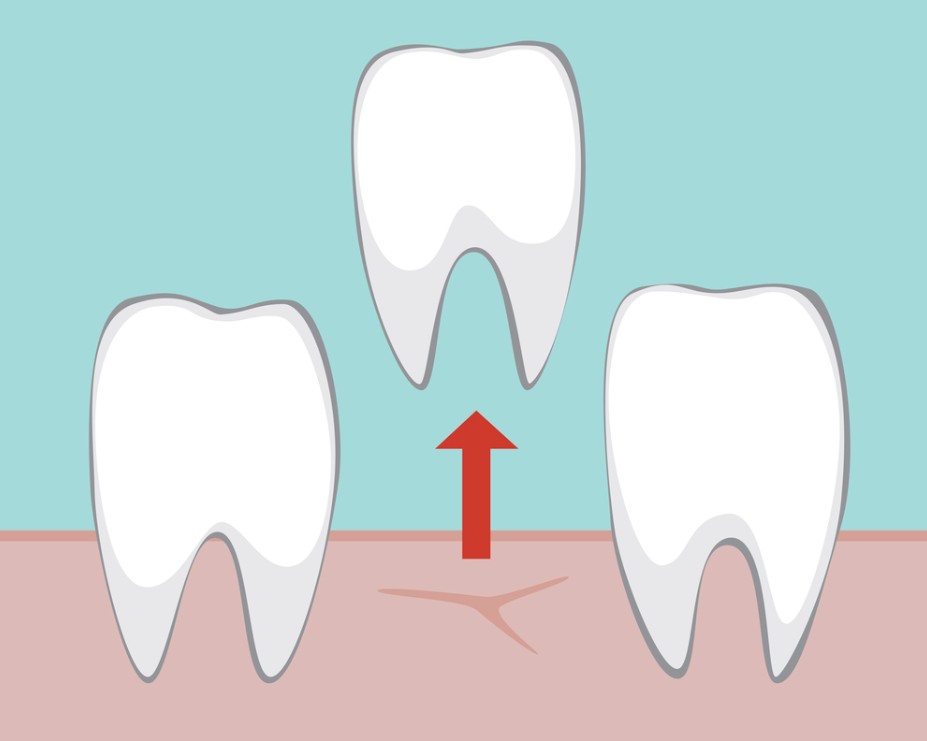
The human body is absolutely amazing. Bones, skin, and organs have the ability to heal – but teeth do not. Teeth don’t regenerate new tissue when infected or structurally compromised by chips, cracks, or decay. If tooth pain comes and goes, antibiotics have eased symptoms in the past, or cost concerns have delayed treatment, it’s important to schedule an evaluation. In today’s blog, you’ll learn when and why tooth extraction is important and how Dr. Horblitt treats irreparably damaged teeth.
In Fairfield, CT, general dentist and prosthodontist Dr. Gary Horblitt helps patients understand the status of their oral health and how to restore optimal health, strength, longevity, and beauty to your smile. Call us at (203) 335-1011 to schedule a comprehensive oral assessment and treatment consultation in our comfortable, efficient, high-tech office.
Infection Rarely Stays Contained
Is tooth extraction always necessary for infected teeth? Not always, but when a tooth cannot be restored with a filling or crown, removal may be the healthiest option.
If Dr. Horblitt recommends extraction, your tooth may have:
- Decay that’s reached the pulp (core)
- Severe fracture or break
- Advanced periodontitis with tooth loosening
- Other non-restorable structural damage
If you choose to delay treatment for any reason, you should know that bacteria will remain active until the issue is resolved. Infection can spread into bone and neighboring teeth. As a result, swelling and pain may develop if the tooth forms an abscess. In some cases, the infection becomes a systemic health concern.
Note: Antibiotics can temporarily reduce symptoms but will not cure the infection. A tooth that cannot be restored with a filling or crown may need extraction and replacement.
Bone Loss & Structural Damage
With time, ongoing dental infection will destroy bone tissue around the tooth. The longer the infection goes untreated, the more severe the bone loss. You may need bone grafting at some point, particularly if you want dental implants. So, early extraction of an infected tooth can deter bone loss.
Increased Pain & Emergency Risk
Let’s talk about your toothache.
When throbbing becomes consistent and severe, accompanied by facial swelling and fever, you’ve waited too long. Call Dr. Horblitt for a next-available appointment for the same day or the following day. Seeking emergency care from an unfamiliar provider can make treatment more stressful than necessary.
Planned, early treatment with a dentist you trust is nearly always simpler than an emergency situation.
When Is Extraction the Healthiest Option?
Tooth extraction isn’t a failure. It’s an appropriate clinical decision when a tooth cannot be properly restored, infection threatens surrounding teeth, or the tooth’s structural integrity is compromised. As your prosthodontist and family dentist in Fairfield, CT, Dr. Gary Horblitt will evaluate your tooth and overall oral health to determine whether a tooth is savable. He’ll answer all of your questions and explain the situation in as much detail as you need, so please never hesitate to ask questions.
What Happens After Extraction?
Extraction isn’t the end of the story. In a way, it’s a new beginning. Dr. Horblitt will plan the path ahead with you by discussing a jawbone preservation strategy that could include a dental implant, dental bridge, or partial denture. The end goal is always comfortable, effective function and long-term stability of your oral health.
Addressing the Source Protects Oral Health
When a toothache comes and goes, the underlying cause of pain usually remains until the issue is resolved. Delay can result in the spread of infection, bone loss, and more complex dental procedures in the future. In contrast, working with Dr. Horblitt on both tooth extraction and replacement is the best plan for good, lasting oral health. For prosthodontics and dentistry in Fairfield, CT, call on Dr. Gary Horblitt at (203) 335-1011 to reserve your exam and consultation.