Losing a tooth can be a stressful experience, whether it happens because of injury, decay, gum disease, or another dental condition. While many patients focus on the visible gap left behind, tooth loss can trigger changes beneath the surface that affect the health of your entire mouth. The good news is that modern dentistry offers effective solutions for replacing missing teeth, and acting sooner rather than later may provide important long-term benefits. If you’re considering dental implants in Fairfield CT, understanding the impact of timing can help you make an informed decision.
If you’ve recently lost a tooth or are exploring tooth replacement options, call Dr. Gary Horblitt’s office at (203) 335-1011 to schedule a consultation.
What Happens After a Tooth Is Lost?
Your teeth work together as a system.
When a tooth is removed or lost, neighboring teeth and supporting structures can begin to change over time.
Possible consequences include:
- Shifting of nearby teeth
- Changes in bite alignment
- Increased stress on remaining teeth
- Difficulty chewing certain foods
These changes often occur gradually, making them easy to overlook in the early stages.
Tooth Loss Can Lead to Bone Changes
Natural tooth roots stimulate the jawbone during everyday chewing and biting.
When a tooth is missing, the bone in that area no longer receives the same stimulation.
Over time, this may result in:
- Loss of bone volume
- Changes in jaw structure
- Reduced support for future restorations
This is one reason dentists often encourage patients to discuss replacement options soon after tooth loss occurs.
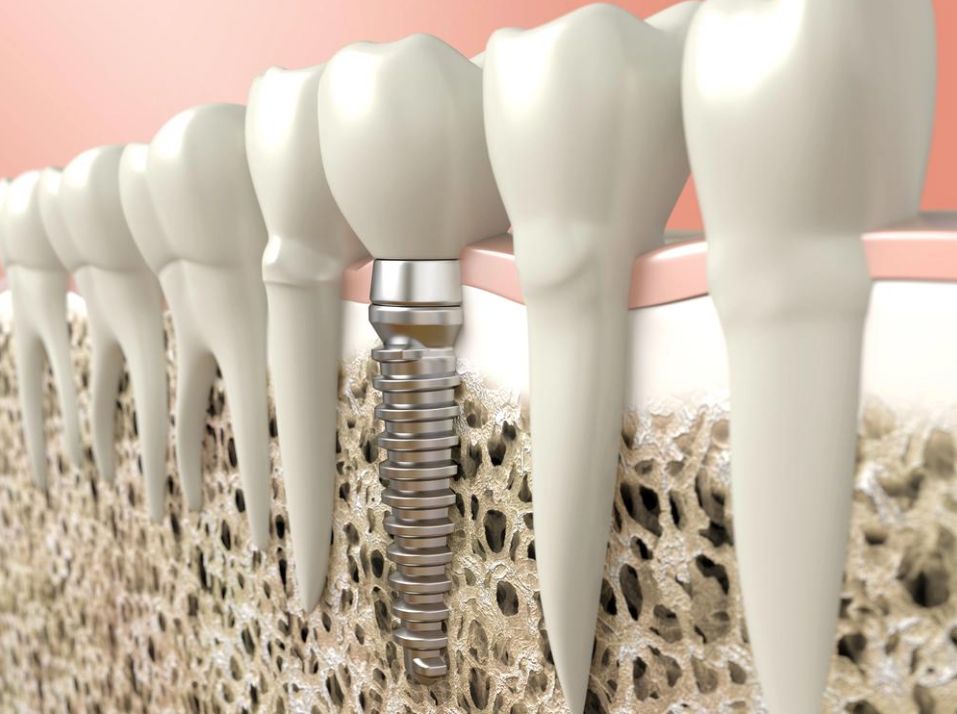
How Dental Implants Work
Dental implants replace both the visible tooth and the root structure beneath the gums.
The implant is placed into the jawbone, where it serves as a stable foundation for a custom restoration.
Because implants function similarly to natural tooth roots, they offer advantages that other tooth replacement options may not provide.
Benefits of Replacing Missing Teeth
Replacing a missing tooth can help support:
- Chewing function
- Bite stability
- Smile appearance
- Speech clarity
- Overall oral health
Many patients also appreciate the confidence that comes from restoring a complete smile.
Why Timing Can Matter
Every patient’s situation is unique, but waiting too long after tooth loss can sometimes complicate treatment planning.
As teeth shift and bone changes occur, additional procedures may occasionally become necessary before replacement can take place.
A consultation soon after tooth loss allows your dentist to evaluate available options and develop a treatment plan before significant changes occur.
Are Dental Implants Right for Everyone?
Dental implants are an excellent solution for many patients, but candidacy depends on several factors.
These may include:
- Overall health
- Oral health
- Bone support
- Number of missing teeth
- Individual treatment goals
A thorough evaluation is necessary to determine the most appropriate approach.
Long-Term Function and Stability
One reason implants are often considered the gold standard for tooth replacement is their ability to function independently.
Unlike some alternatives, implants do not rely on neighboring teeth for support.
This can help preserve healthy tooth structure while restoring stability and function.
Don’t Wait to Explore Your Options
If you’ve lost a tooth, you may have more treatment options available than you realize. The sooner you understand your choices, the easier it may be to protect your long-term oral health and function.
If you’re interested in learning more about dental implants in Fairfield CT, contact Dr. Gary Horblitt’s office or call (203) 335-1011 today to schedule a consultation and discuss your options for replacing missing teeth.