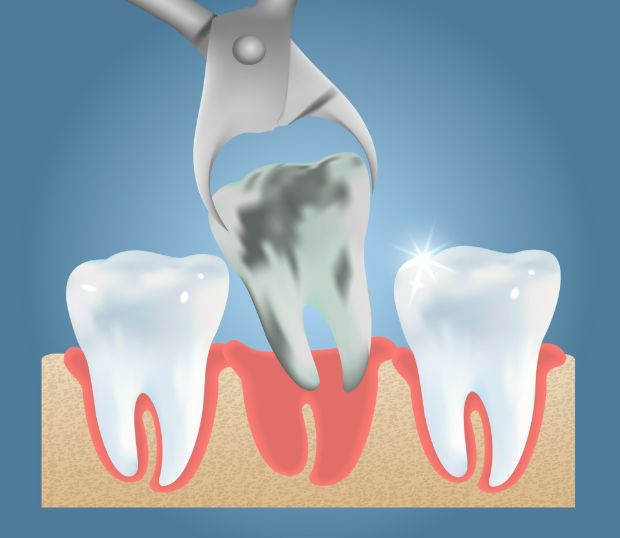
If you are searching for how to know when a tooth needs to be removed, you are likely dealing with pain, worry, or uncertainty about your dental health. Your Fairfield dentist understands this concern very well. Most people hope their tooth can be saved—and in many cases, it can. But sometimes health-saving treatments like extraction become the healthiest and safest option.
Don’t wait for a problematic tooth to get worse. Contact Gary Horblitt, D.D.S., at (203) 335-1011 to see if our dental team in Fairfield, CT, can save your tooth.
1. Severe Decay That Has Gone Too Deep
One of the most obvious answers to how to know when a tooth needs to be removed is severe tooth decay. When dental decay extends deep into the roots of a tooth, it destroys most of its structure, and it may no longer be repairable with a filling or crown. At that stage, bacteria can spread and cause ongoing infection.
2. Infection That Keeps Coming Back
Another major sign of how to know when a tooth needs to be removed is repeated or severe infection. A tooth infection can spread to the root and surrounding bone. Sometimes, a root canal can fix this problem. But if the infection keeps returning or cannot be controlled, the tooth may need to be removed to protect nearby teeth and overall health.
3. A Cracked Tooth That Goes Below the Gumline
Small surface cracks can often be treated. But when a crack goes deep below the gumline or splits the root, the tooth usually cannot be repaired. This is one of the clearest answers to how to know when a tooth needs to be removed because fractured teeth that extend into the root often cannot be restored successfully and may require extraction.
4. Severe Gum Disease Weakening the Tooth
When gums and bone are damaged by periodontal disease, teeth lose their support. Over time, they may become loose or unstable. In advanced cases, there is not enough bone left to hold the tooth in place. Dr. Horblitt may recommend removal to stop the infection and protect the surrounding tissue.
5. Impacted or Problematic Wisdom Teeth
How to know when a tooth needs to be removed is key when it comes to wisdom teeth. These back teeth often do not have enough room to grow properly. When they stay trapped under the gums or grow at an angle, they can cause:
- Pain
- Infection
- Pressure on nearby teeth
- Swelling
Because of these risks, impacted wisdom teeth are often removed even if they are not currently painful.
When a Tooth Might Still Be Saved
Even if you notice one of these signs, it does not always mean extraction is required. Dr. Horblitt will always try to save the natural tooth first using:
- Fillings
- Crowns
- Root canal treatment
- Gum therapy
Modern dentistry focuses on preservation whenever possible. This is important because science suggests that keeping your natural teeth supports bite strength and jaw health long-term.
How to Tell When a Tooth Needs to Be Pulled? Ask Gary Horblitt, D.D.S.
Dr. Horblitt always evaluates your smile carefully before recommending extraction. In many cases, he and his team can still save your natural teeth. But when Dr. Horblitt cannot, removal helps protect your overall oral health and prevents further complications.
If you are experiencing any of these symptoms, click here to request a dental exam with Gary Horblitt, D.D.S., in Fairfield, CT, or dial (203) 335-1011 to see what the best next step is.