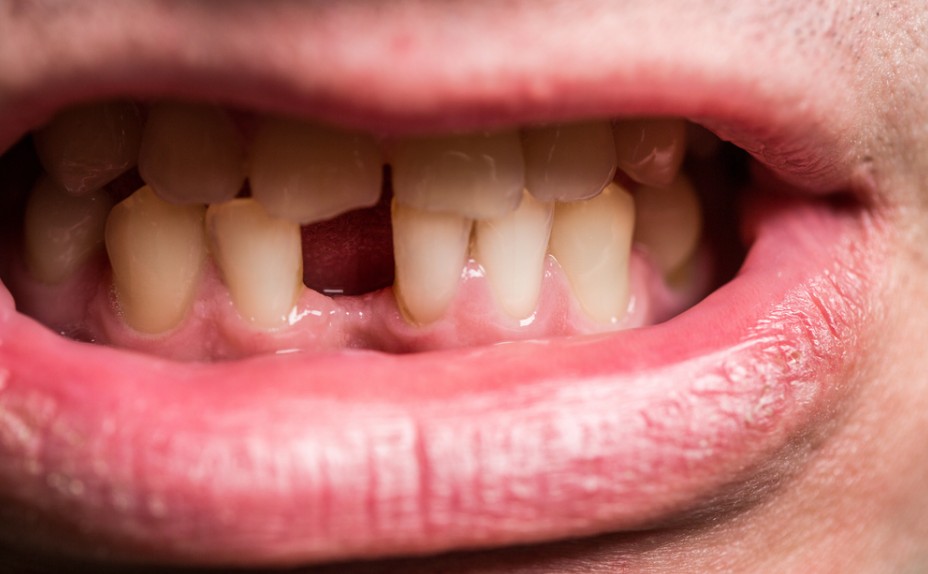
If you’ve lost a tooth for any reason, don’t fall for the idea that its replacement is only a cosmetic concern. The truth is, loss of any tooth initiates structural, biological, and functional changes in your mouth. The downward spiral can begin quickly after tooth loss. Dr. Gary Horblitt, your prosthodontist and general dentist at Fairfield, CT, can help you find a tooth replacement solution that will address esthetics, as well as long-term oral health and stability.
As a prosthodontist, Dr. Horblitt has advanced, specialist training in tooth replacement, as well as restoring oral function, comfort, and appearance. Some call prosthodontists the architects of smiles–and it’s true. Our office treats issues, like tooth loss, TMJ disorders, and jaw reconstruction, in addition to general, restorative, preventive, and cosmetic dentistry. If you’ve lost one or more teeth, or if your current dental prosthetic(s) feels loose, has become damaged, or needs replacement, call for an appointment today: (203) 335-1011.
Tooth Loss Is Common, But Not Harmless
An estimated 178 million Americans are missing one or more teeth, and around 40 million have lost all of their teeth. Once a tooth is lost, jawbone resorption often begins within 3 to 6 months.
Bone and gum tissue support teeth to keep them firmly in their sockets so they can bite and chew properly. When a tooth is lost and chewing stops in that segment of the jawbone, the bone shrinks. Bone degeneration negatively affects facial contours and appearance. Replacing a lost tooth early helps protect jawbone integrity.
The Domino Effect
The 32 teeth in your mouth function as a system. When a tooth is lost, neighboring teeth drift toward the space and opposing teeth can supra-erupt–meaning they come further out of the jaw to compensate for the lost tooth. Bite alignment can change, leading to malocclusion—when upper and lower teeth no longer fit together properly. The uneven pressure can ultimately lead to tooth cracks, enamel wear, jaw strain, and TMJ disorders.
DID YOU KNOW?
Studies show that up to 25% of alveolar bone width can be lost within the first year after tooth extraction, with the majority occurring in the first 3–6 months. (Schropp et al., 2003, Clinical Oral Implants Research; Tan et al., 2012, International Journal of Oral & Maxillofacial Implants)
Digestive & Functional Impact
Teeth in a smile convey emotions. For speech, teeth allow the tongue to make particular sounds. Perhaps most importantly, though, teeth allow us to bite and chew foods. Missing teeth interfere with a person’s diet.
Studies show that people with tooth loss often avoid fibrous vegetables and proteins and have increased risk of nutritional deficiencies. In turn, poor mastication affects the digestive workload.
We call this the oral-systemic connection. One way in which this relationship presents is that tooth loss negatively impacts mastication (chewing), which ultimately affects the digestive workload. Food not properly chewed, yet swallowed, places the rest of the digestive system under added stress.
Why This Fairfield CT Dentist Loves Dental Implants
As a dentist at Fairfield, CT, Dr. Horblitt assesses bite mechanics in addition to the esthetic effects of tooth loss and replacement. Dental implants replace a tooth’s root and crown, providing a total-tooth replacement rather than only replacing the crowns–the white part of teeth that we see. In contrast, traditional bridges and dentures do not replace teeth roots. Bridges are anchored to natural teeth; dentures rest on the gums. These two prosthetics are not connected to the jawbone, and without stimulation from chewing forces, the jawbone begins to deteriorate.
The dental implants we use are made of biocompatible titanium that integrates seamlessly with jawbone tissue. Each implant is secured into the jawbone, and over the course of 3 to 12 months jawbone grows in and around the titanium dental implant, thus bone density is preserved. Dental implants replace the natural force distribution of dentition.
The Cost of Waiting
So what happens if you decide not to replace lost teeth? Here’s what you can expect:
- Bone loss that may require grafting
- Teeth drifting into the open space
- More complex and costly restorative options later
Remember, early evaluation allows us to implement more conservative treatment options.
Tooth Replacement Is Preventive!
Lost a tooth? No worries! Replacing a lost tooth within a few months deters potential complications. But even if you’ve waited years to replace a lost tooth, the sooner the better. Dental implants are a wise investment for solid, long-lasting, good oral health. Call us today at Fairfield, CT, for your appointment with general dentist and prosthodontist, Dr. Gary Horblitt: (203) 335-1011.