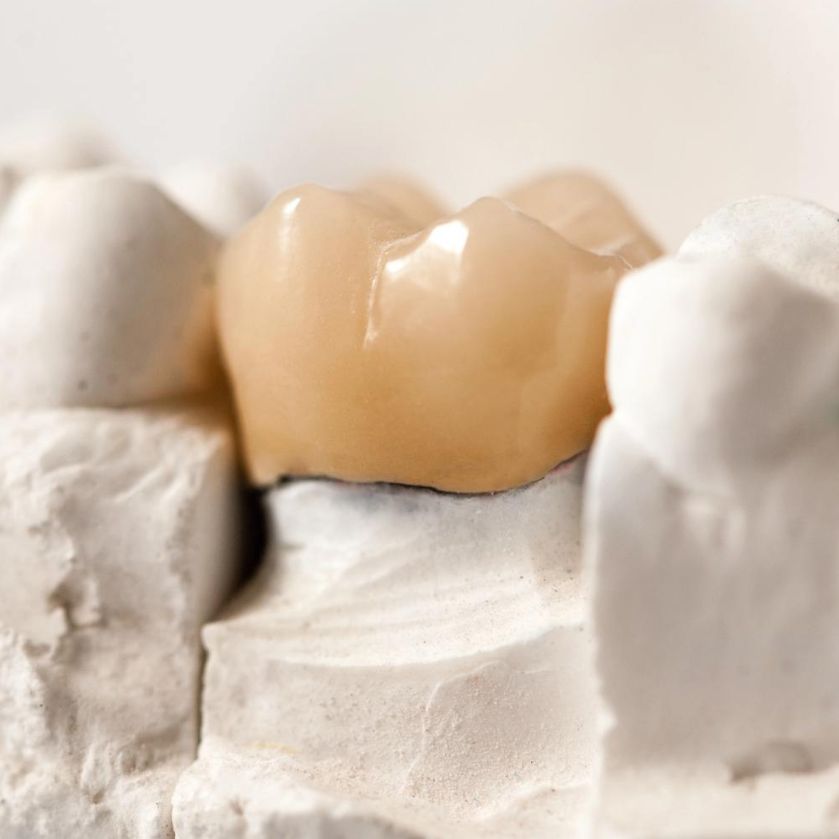
Losing a tooth can feel like a cosmetic issue, especially if it’s located toward the front of the mouth. Many people learn to chew around the gap and assume it isn’t causing any significant problems. Unfortunately, missing teeth can affect much more than appearance. Over time, tooth loss may lead to shifting teeth, bite changes, bone loss, and increased stress on your remaining teeth. If you have one or more missing teeth in Fairfield CT, understanding the long-term effects of delaying treatment can help protect your oral health.
If you’re missing a tooth and wondering about your replacement options, call Dr. Gary Horblitt’s office at (203) 335-1011 to schedule a consultation.
Missing Teeth Affect More Than Your Smile
Your teeth function as a complete system. Each tooth helps support neighboring teeth and contributes to a balanced bite.
When a tooth is lost, the surrounding teeth no longer have the same support structure. This can gradually affect how your teeth fit together when you chew, bite, and speak.
Even a single missing tooth can have consequences over time.
Teeth Naturally Shift Into Empty Spaces
One of the most common problems following tooth loss is tooth movement.
When a gap remains unfilled:
- Adjacent teeth may begin drifting
- Opposing teeth can move out of position
- Bite alignment may change
- Food may become trapped more easily
These changes often happen slowly, making them difficult to notice until significant movement has occurred.
Bone Loss Begins After Tooth Loss
Natural tooth roots stimulate the jawbone whenever you chew.
When a tooth is removed and not replaced, the underlying bone no longer receives that stimulation.
Over time, this may lead to:
- Bone shrinkage
- Changes in facial structure
- Reduced support for neighboring teeth
- Additional restorative challenges later
This is one reason dentists often encourage patients to discuss replacement options sooner rather than later.
Missing Teeth Can Increase Wear on Remaining Teeth
When chewing forces are no longer distributed evenly, remaining teeth may be required to work harder.
This can contribute to:
- Excessive wear
- Cracks or fractures
- Bite imbalances
- Increased stress on dental restorations
Protecting the teeth you still have is an important part of preserving long-term oral health.
Tooth Loss Can Affect Speech and Confidence
Depending on the location of the missing tooth, speech patterns may change.
Some patients notice difficulty pronouncing certain sounds, while others become self-conscious about smiling or speaking in social situations.
Replacing missing teeth often improves both function and confidence.
What Are the Options for Replacing Missing Teeth?
Modern dentistry offers several solutions depending on your needs, oral health, and goals.
Common options include:
Dental Implants
Dental implants replace both the visible tooth and the root structure beneath the gums. They are designed to provide stability and long-term support.
Dental Bridges
Bridges use neighboring teeth to support a replacement tooth and can be an effective option in certain situations.
Removable Prosthetics
Some patients may benefit from removable partial dentures or other restorative solutions.
The best choice depends on your individual circumstances.
Why Specialized Restorative Planning Matters
Replacing missing teeth is about more than filling a space.
Proper treatment planning considers:
- Bite function
- Jaw health
- Long-term stability
- Appearance
- Overall oral health
A comprehensive evaluation helps determine the solution most likely to provide lasting success.
Don’t Wait Until Small Problems Become Bigger Ones
Many patients postpone treatment because they are not experiencing pain. However, the effects of missing teeth often develop gradually and become more difficult to address over time.
Replacing missing teeth can help maintain bone support, protect neighboring teeth, preserve bite function, and improve confidence.
If you’re missing one or more teeth and would like to learn about your options, contact Dr. Gary Horblitt’s office or call (203) 335-1011 today to schedule a consultation.